Marine Protected Areas are one of the world's most important conservation tools, but are they really protected if pollution keeps flowing in from land? This month, we're exploring why wastewater is an overlooked threat to coral reefs and what it will take to make marine protection truly effective. Plus, we're sharing hopeful progress from Belize, Hawaiʻi, and beyond, where communities are turning science into lasting conservation solutions.
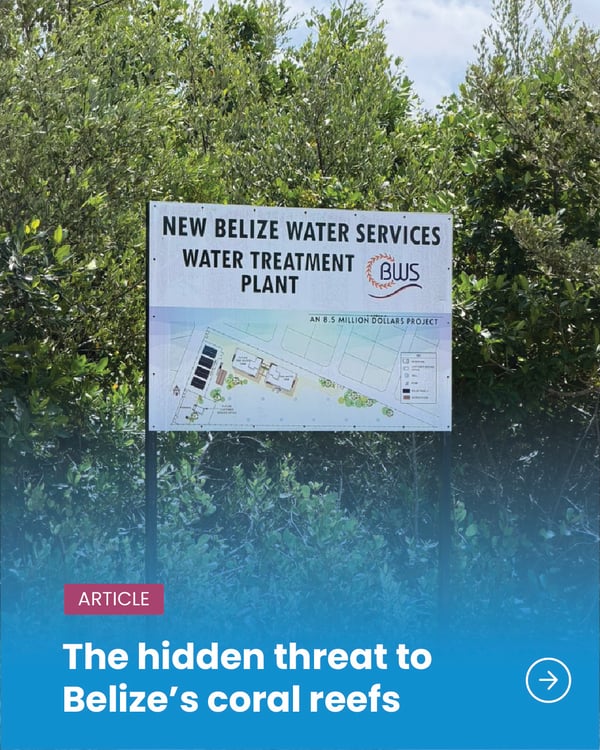
How better wastewater management can protect Belize's coral reefs
Belize has a rare opportunity to reduce wastewater pollution before it reaches the reef. Learn how community partnerships and smart infrastructure can create lasting benefits for reefs and people.
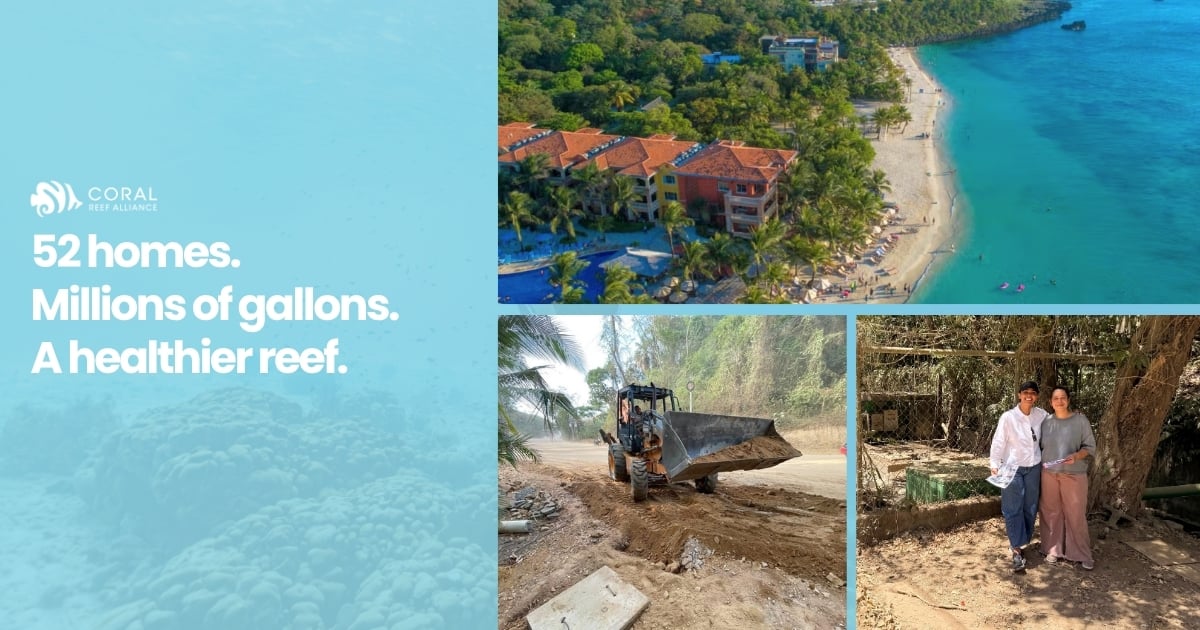
This summer, 52 homes in the Los Maestros neighborhood of Coxen Hole will connect to the main sewer system—a major step that will keep millions of gallons of raw sewage from reaching nearby coral reefs each year! That means cleaner water for families, healthier reefs for marine life, and a stronger future for the community.
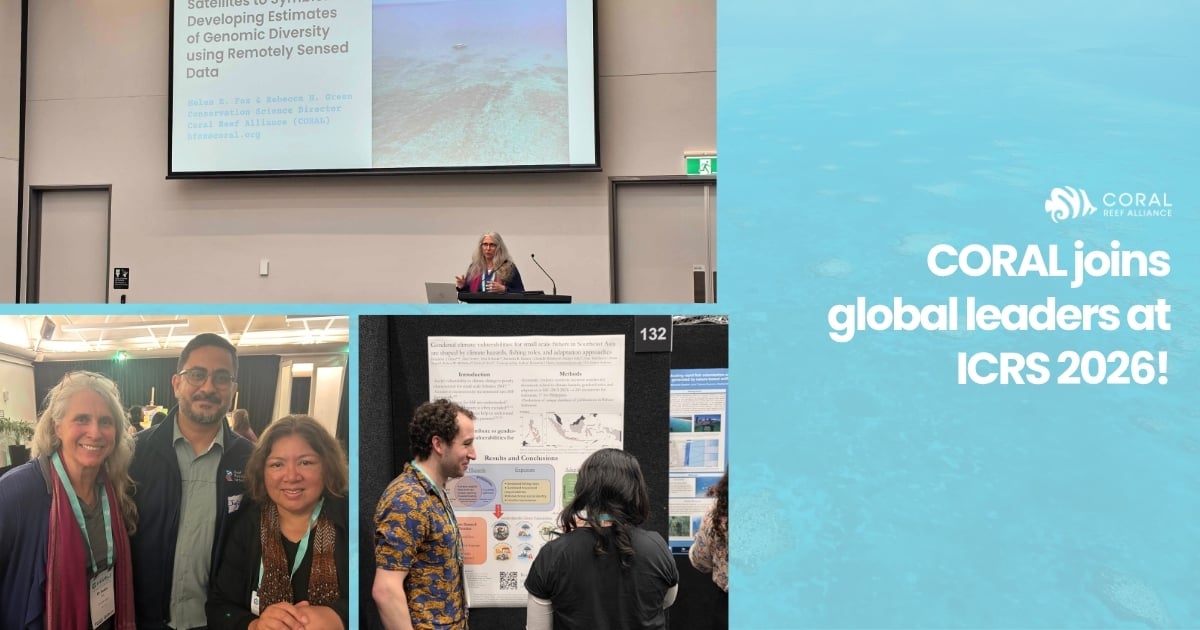
CORAL joined more than 2,000 coral reef scientists, conservationists, and policymakers in Auckland, New Zealand, for the International Coral Reef Symposium (ICRS)—the world's biggest gathering dedicated to coral reefs. Alongside our local partners, we shared innovative work on climate resilience, sustainable fisheries, and reef conservation, including presentations on the Mesoamerican Reef Roadmap to Reef Resilience, FishApp, and cutting-edge research using satellite data to better understand coral diversity. We left inspired, energized, and excited to bring new ideas, collaborations, and solutions back to the reefs and communities where we work!
On July 21, Hawaiʻi's Environmental Court again ruled in favor of East Maui communities, reversing the State's approval of continued stream diversions. The decision reinforces Native Hawaiian rights, strengthens public trust protections, and requires a contested case hearing before water can continue to be diverted.
Explore Global Pollution Watch, a new platform that brings together practical tools, resources, and guidance to help researchers, practitioners, and communities reduce land-based pollution impacting coral reefs worldwide.
Why People Matter in the Global 30x30 Conservation Movement
Protecting 30% of the planet by 2030 requires more than expanding protected areas. New research shows lasting conservation depends on respecting local communities, equity, and Indigenous rights.
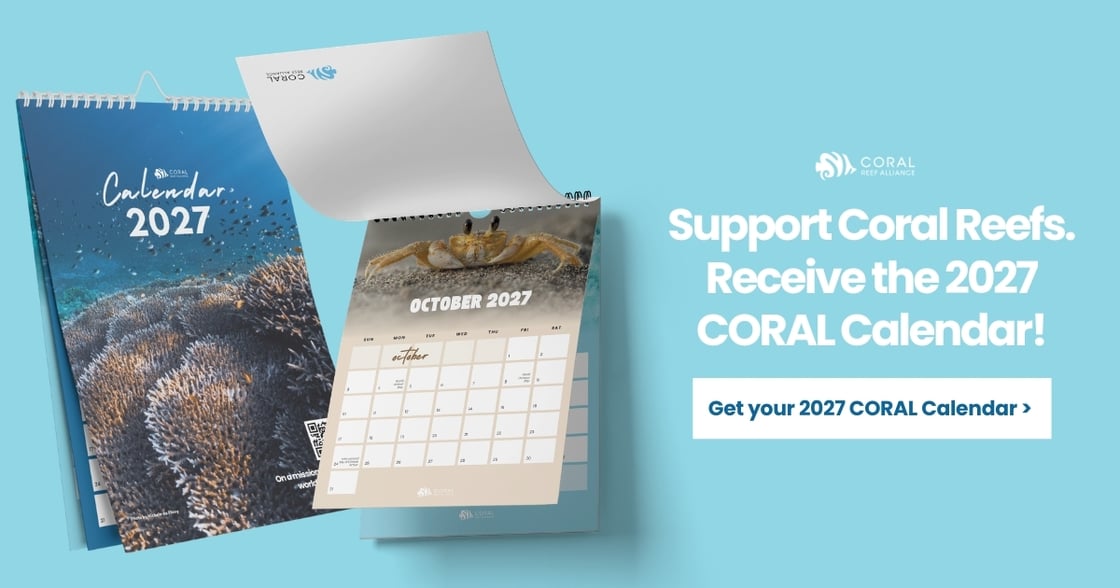
Make a gift of $50 or more, and we'll send you our 2027 CORAL Calendar featuring stunning underwater photography from around the world. Every page celebrates the beauty of coral reefs, and every donation helps protect them.