"But everyone else has it!" comes up quite often in my house. Usually it's the opening statement in my daughter's case for some freedom she believes has been granted universally to kids her age.
Except every once in a while, she is the "everyone else." She has the app another kid isn't allowed to use. She gets more screen time. Her phone can do something her friend's phone cannot. And when that happens, we've had to talk about what she does with that extra freedom when other kids are around.
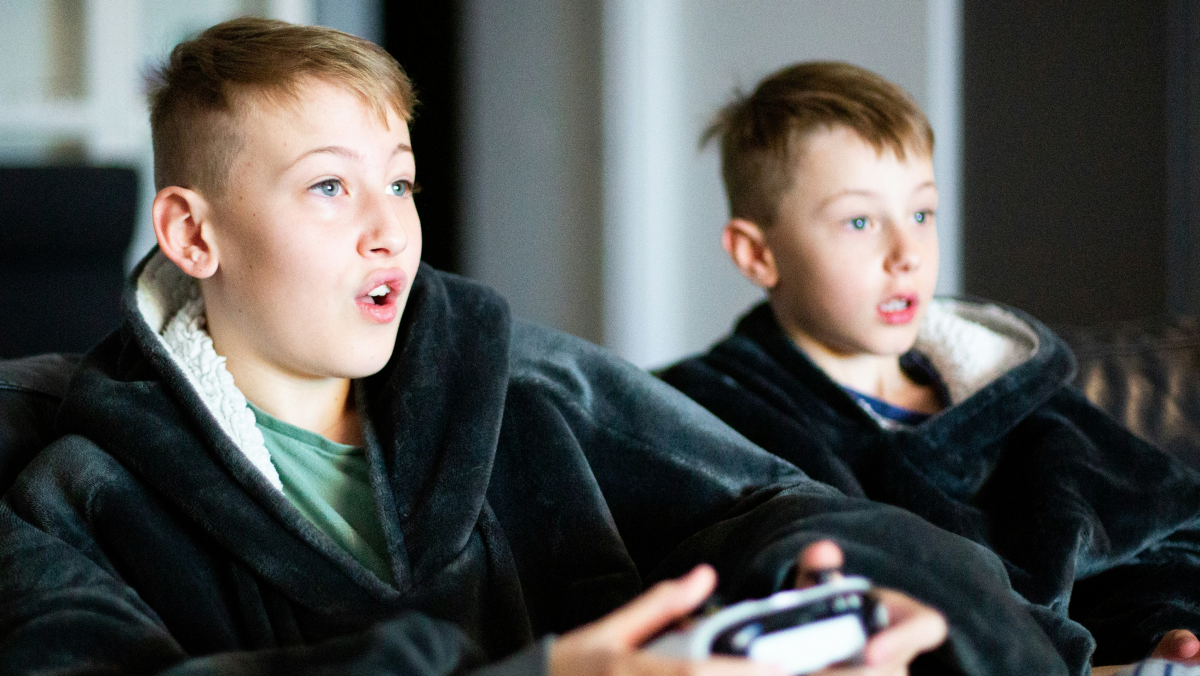
Pulling up YouTube channels, Roblox, or TikTok in front of a friend whose parents have said no may seem harmless to a kid. But even still, she's overriding someone else's parenting, in their kid's own space, without either set of parents in the room.
What works for one kid in one house doesn't automatically work for the friend standing next to them. Having more access than a friend isn't a flex to bring to a hangout. And it makes for a genuinely bad houseguest. You wouldn't want another kid encouraging yours to push past a boundary you'd set, so extend the same courtesy in the other direction.
So here's what made it into our family media agreement: Her rules are hers. They don't automatically extend to the kid sitting next to her. If a friend isn't allowed to use an app or see certain content, she doesn't get to turn the hangout into a demonstration.
Have you added something similar to your family rules? I want to hear what stuck and, honestly, I'm even more curious about what you tried that flopped. Email me at [email protected] and let me know.
Worth checking out:
→ Family Media Agreement
→ How to share screen time rules with other adults