|
|
|
|
Every Golf Course Should Have a Creative Director.
|
|
|
|
|
|
|
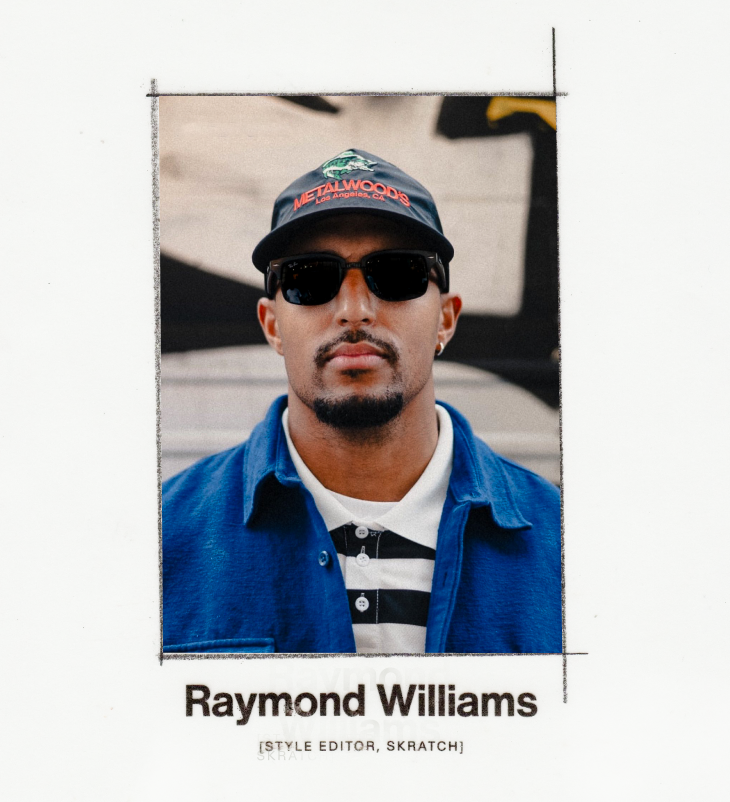
We spoke to Raymond Williams, the Style Editor at Skratch, about being present, feeling welcome, and why we're all chasing “performance”.
|
|
|
|
Agronomy Workshop:
|
|
There’s an experience being told from the moment you book your round, pull up in the parking lot, to the 18th hole, to the post-round drink. What’s one area of that journey that’s being ignored?
|
|
|
|
Raymond:
|
|
The before and after is really interesting. There’s such a sense of rush [in golf], that’s hyper vigilant around pace of play. There’s this feeling of just racking stuff through like a NASCAR pit. People getting there immediately, jumping onto the driving range, and rushing to make their tee time. Or the cart boys washing your cart before you even get out of it. It would be really nice if golf could be treated more as a third space. Where we could go and hang out and chill and talk. We don't necessarily have that as adults now.
|
|
I have kids. So we talk a lot about transition time, whether they’re coming home from school, we have to have space and a time to get acclimated. So I think for me, that transition in and out of the game is really interesting.
|
|
|
“Golf is so unique in that every course is entirely different but...the gear, apparel and everything built around the space is nearly identical.”
|
|
|
|
Agronomy Workshop:
|
|
This feels like a hot take today, slowing down when everyone wants the game to speed up.
|
|
|
|
Raymond:
|
|
I think our obsession with the handicap has slowed down the game a lot. People are so obsessed with the number that’s on their screen as opposed to trying to be a feel player. All the apps and tech that we're using to play golf is severely slowing down the game. That’s the thing that I’ve gotten rid of over the last year, I removed all my apps. I don't track any of that stuff anymore. There was even a point of getting rid of my rangefinder too. How good of a golfer can I become solely based on feel. You play the game completely different and the relationship you have with the sport is different.
|
|
|
|
|
|
|
“Everyone is shouting performance & innovation.
No one’s selling a feeling.”
|
|
|
|
Agronomy Workshop:
|
|
Describe a moment when time slowed down on the course.
|
|
|
|
Raymond:
|
|
There was an event I played in where we didn't have phone service. People weren’t filming rounds. We were just legitimately out there. No one had played the course before; everybody was experiencing the same things all at once. That's what stirred and kickstarted the idea of experiencing the sport the way it should be. How can we take this feeling and make it the everyday vibe for a normal round at the muni? People were very much where their feet were.
|
|
|
|
Agronomy Workshop:
|
|
I love this idea of golf needing a digital detox, removing technology to be present.
|
|
|
|
Raymond:
|
|
The big buzzword in golf is performance. On the amateur level we’re so obsessed with performance and the idea of trying to be as good as the tour players. The pros' tech, equipment, and apparel have so much influence. I don’t think golf was ever supposed to be like that. I'm somebody who loves pickup hoops, but I'm not trying to be a Kobe or LeBron on the court. I'm just trying to get a good workout in, have some fun, spend time with my boys. That same relationship doesn't exist in golf. Everybody is chasing a number on a screen, which feels so strange.
|
|
|
|
|
|
|
|
Agronomy Workshop:
|
|
What should every pro shop have in stock?
|
|
|
|
Raymond:
|
|
A diversity of products is really important. I think the conversation again goes back to how performance-driven golf is. I want to see more natural fibers and things that are golf-adjacent. If you can be a curator of the worlds outside of golf and have it still functionally work for the sport, you’re on to something.
|
|
|
|
Agronomy Workshop:
|
|
The thing that frustrates me the most is you can go have a great golf experience on the other side of the planet and in the pro shop you’ll see the same shirt you can get anywhere with a different logo.
|
|
|
|
Raymond:
|
|
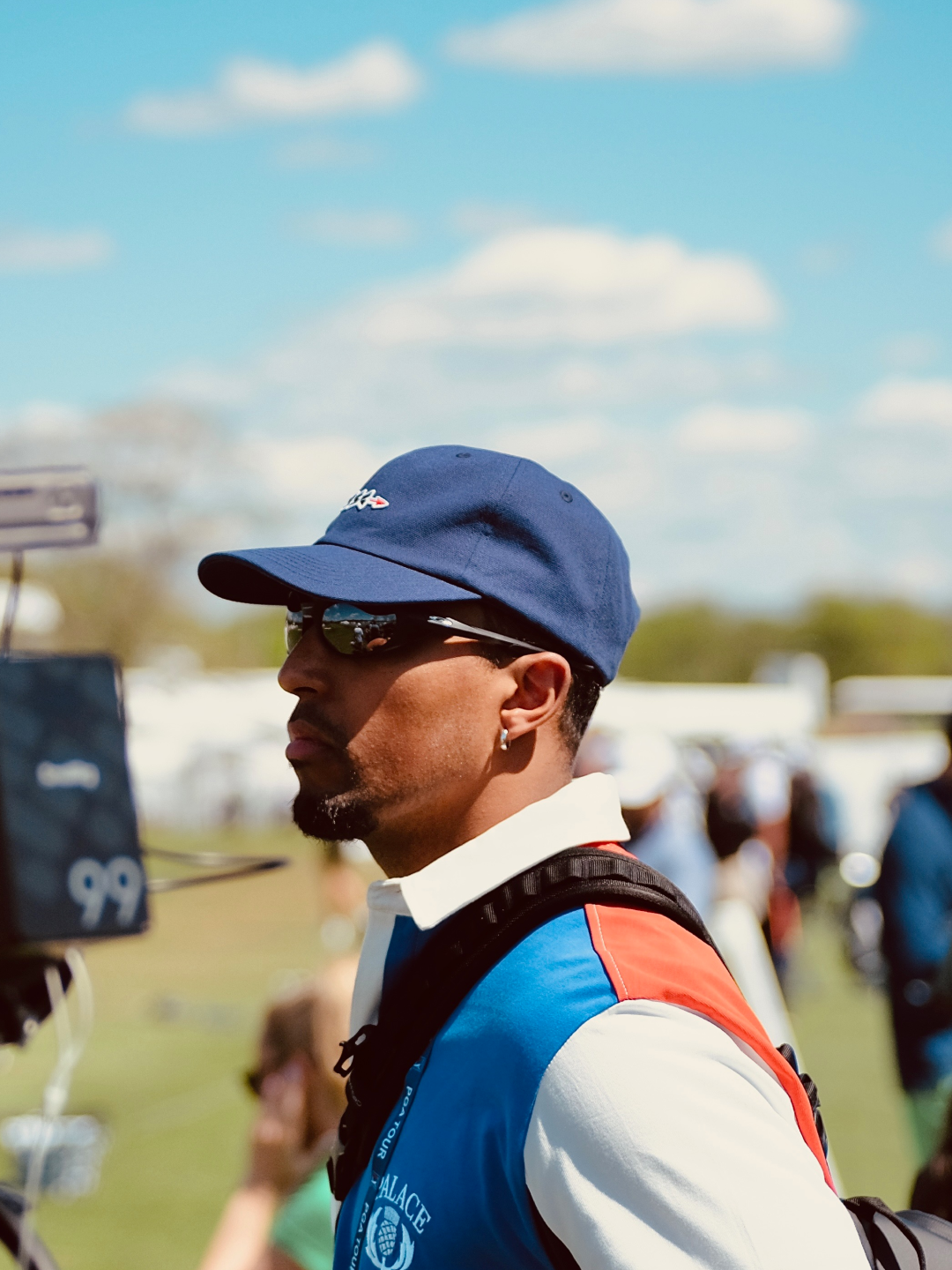
I have been to so many PGA Tour events, and still to this day, have never bought anything in a merch tent. The reality is that everybody’s using the same products, and it feels so odd.
Golf is so unique in that each course is entirely different than the next, but the gear, apparel, everything that's built around the space is nearly identical. I totally understand that you want to pour your energy and resources into the on-course experience, but the opportunity that exists to make the merchandising experience elevated is enormous.
|
|
|
|
Agronomy Workshop:
|
|
We’re all familiar with the stigmas around golf culture and gatekeeping. How do you think thoughtful design & creative direction could shape who feels welcome in the sport?
|
|
|
|
Raymond:
|
|
I put some of it on our individual selves. You need to have the interest and desire to go learn about these spaces that we’re walking into. Finding ourselves in a room and hoping that the room acclimates to our temperature is not necessarily a healthy relationship.
|
|
|
|
There are things the course staff can improve upon, but you should put in the work of understanding the space so there's a mutual level of respect. Don't let anyone make you question whether you belong. If you show up with a level of interest and education, you'll be surprised how many people are willing to help you along the way. Most golfers genuinely want to share the game with people who care enough to learn it.
|
|
|
|
Agronomy Workshop:
|
|
What do you hate most about golf?
|
|
|
|
Raymond:
|
|
The reality is when I do book a round, there’s a preciousness that exists that’s being overshadowed by my desire to lower [my handicap]. I’m constantly balancing that vs. the fun and the joy that you get. Ultimately, you're not telling stories about your handicap. It's more about the round and the experiences from playing the sport. I’m now finally in a comfortable space where that's what I'm chasing. It isn't necessarily peak performance or lower scores. It’s about how many great stories I can take away from the golf course.
|
|
|
|
|
|
|
|
|
|
for the long game.
|
|
|
You are receiving this email because you opted in to receive updates from Agronomy Workshop
Agronomy Workshop, California
Unsubscribe
|
|
|
|