Plus: Red wolves, Gaza law, and the city of the future.

View this email in your browser   

đź‘‹  Was this forwarded to you? Sign up here to get Today, Explained daily.

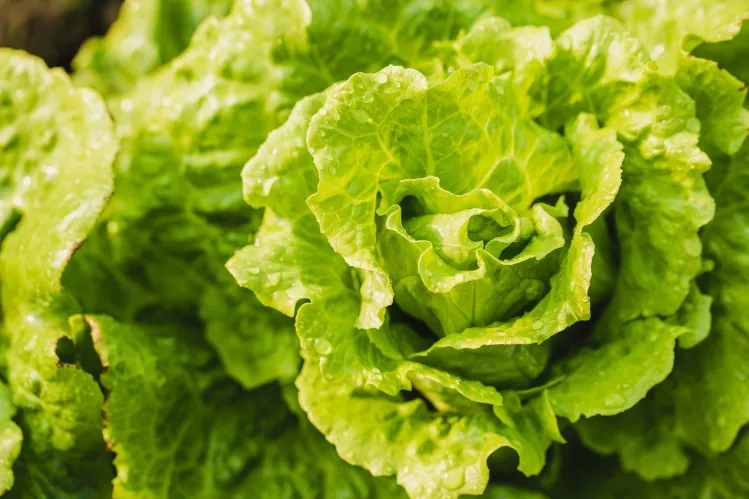
Iceberg lettuce

Getty Images

In today’s edition, we run down the latest on the worsening cyclospora outbreak before touching on the latest in the Middle East and its implications for foreign policy and the US economy. Have thoughts or feelings on what you read here? You can reach me directly by email. I’m at [email protected].

Dylan Scott, senior correspondent


Dylan Scott, senior correspondent


Buckle up, folks: It’s cyclospora summer.

The United States has now seen more than 10,000 cases of the diarrhea-causing parasite (8,000-plus in Michigan alone). The big question has been just what exactly people are eating that’s giving them the infection’s telltale “water” and “frequently” explosive diarrhea. 

But getting a clear answer has turned out to be a challenge. It’s been a week of whiplash for anybody trying to figure out what to eat for lunch.

On July 16, the Washington Post reported, citing anonymous sources, that the outbreak had been linked to shredded iceberg lettuce supplied to Taco Bell by Taylor Farms. A day later, Taylor Farms said it was withdrawing products from US stores and restaurants based on information from the FDA.

But then, on July 19, the FDA said that there had been a false positive for cyclospora when testing a sample of Taylor Farms iceberg lettuce; Taylor Farms said in its own statement that the FDA had “apologized” for the mix-up. The next day, the company and the federal government were stuck in a semantic argument over whether the FDA “officially apologized” to Taylor Farms or not. 

Then, things got even messier. 

The FDA has announced it is now tracking a second cyclospora outbreak — separate from the one that now covers nine states — the source of which is unknown. And officials in North Carolina shared that cases in their state seemed to have been caused by cilantro and parsley, not lettuce.

So, as I sit here writing this on Friday afternoon, it appears the United States is currently enduring at least two separate diarrhea parasite outbreaks, seeded by multiple food products, some of which remain unknown. It’s a mess — and if you’re confused, I don’t blame you. 

The confusion of the past week has left me thinking, oddly enough, about Covid-19.


So, is the lettuce bad or not?

American politics and culture have been transformed in the wake of the 2020 global pandemic, which helped propel the likes of US health secretary Robert F. Kennedy Jr. and his Make America Healthy Again message to prominence. That message was pretty simple: Don’t trust the medical establishment. But now, Kennedy is the establishment, and he’s learning just how hard it is to communicate with imperfect information during a crisis.


The Trump administration is racing to track the source of the outbreak and has fumbled the message. Between a hasty leak of Taylor Farms being the source of the outbreak to a confusing false positive, many Americans are bewildered and asking, “is the damn lettuce bad or not?”


Investigations like these are hard enough, but when you add in the public health funding cuts of the past 18 months and the casual and widespread corruption characteristic of the Trump administration, trust in the government’s public health apparatus has sunk even lower.


The administration insists that its decision-making is being guided by science, but even the appearance of impropriety has become a common theme in the press coverage after Taylor Farms executives attended a White House meeting immediately before the barrage of confusing and contradictory statements. Public health requires public confidence. Perceived influence from special interests is a problem, even if the interactions didn’t alter the FDA or CDC’s actions.


Learn more about OpenWeb
 
  • Merger freeze: Paramount agreed to freeze its $111 billion merger with Warner Bros. until as late as next June while a judge considers a lawsuit attempting to block the deal.
  • Measles record: Measles cases in the US hit a 34-year high as vaccination rates have fallen.
  • On the podcast: Chef JosĂ© AndrĂ©s explains what makes the winning wiener. A DC hot dog vendor respectfully disagrees. Listen to the whole thing here.

Enjoying Today, Explained?

Your membership funds the reporting behind this newsletter. If you read us regularly, it’s the best way to keep it going.

BECOME A MEMBER

➨ Since we remain in such a confusing place with the diarrhea parasite outbreak, it’s wise to be more cautious about what you eat. We’ve got a guide for you, including a couple choice recipes, that will help you stay safe while eating during the summer of cyclospora.

 
  • Did you know… American physicians earn about twice as much as Canadian ones — and four times as much as Swedish doctors. Those high salaries have made it harder to achieve universal health care.
  • Today’s trivia: Which four-letter university is located in Athens? (You can find this and other brain puzzles in Vox’s daily crossword. Look for the answer in tomorrow’s edition.)
  • Yesterday’s trivia: Yesterday we asked you for the Victorian literary work that gave the city of Enid, Oklahoma, its name. That would be Alfred, Lord Tennyson’s Idylls of the King, a cycle of twelve narrative Arthurian poems. Enid stars in two of them.

Today’s edition was produced and edited by me, Dylan Scott. Thanks for reading! 


Have thoughts or feelings on what you read here? You can reach me directly by email. I’m at [email protected].


Learn more about OpenWeb
 
FacebookTwitterYouTubeInstagramTikTok WhatsApp

This email was sent to [email protected]. Manage your email preferences or unsubscribe. If you value Vox’s unique explanatory journalism, support our work by becoming a Vox Member.


View our Privacy Notice and our Terms of Service.


Vox Media, 1701 Rhode Island. NW, Washington, DC 20036.
Copyright © 2026. All rights reserved.