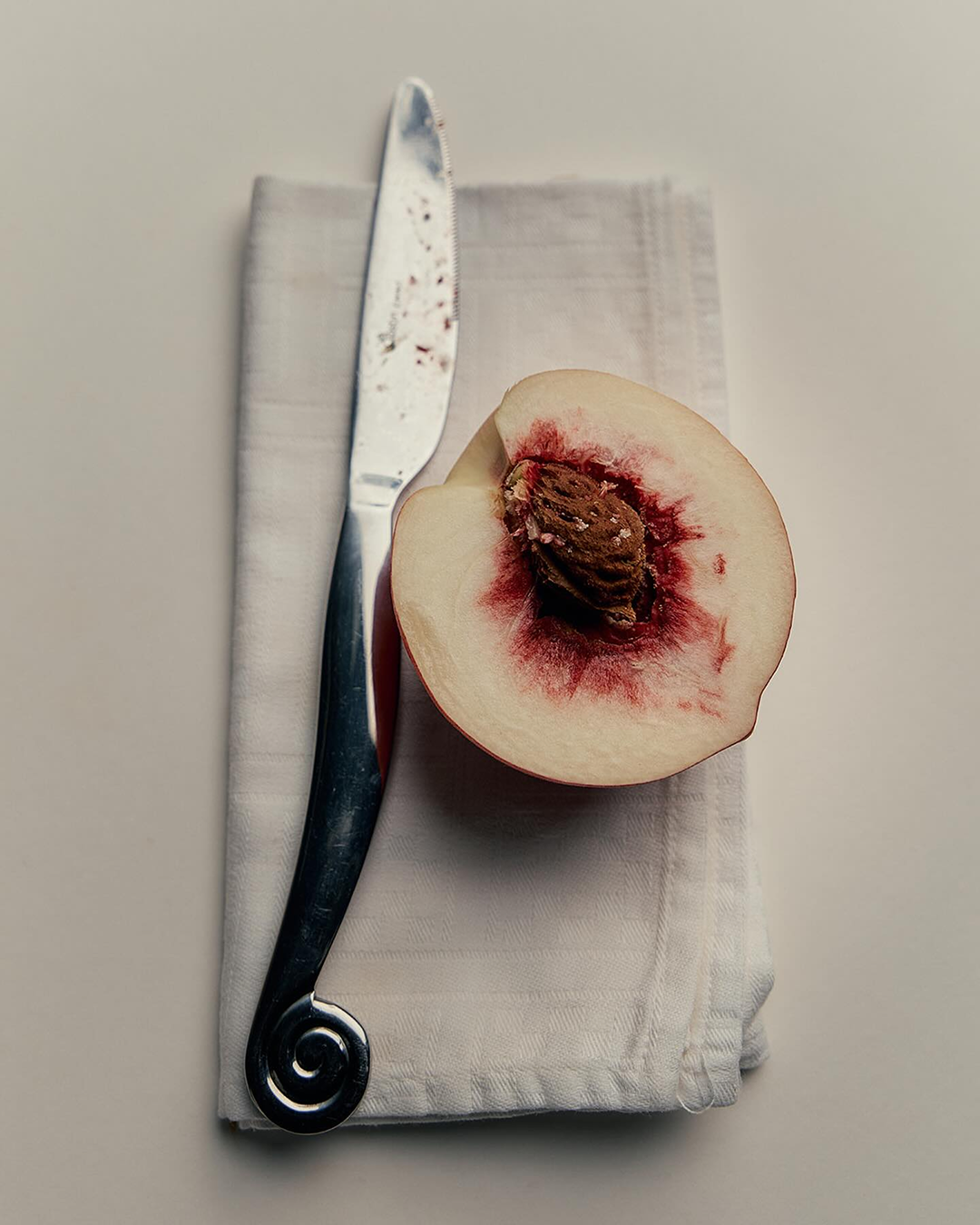
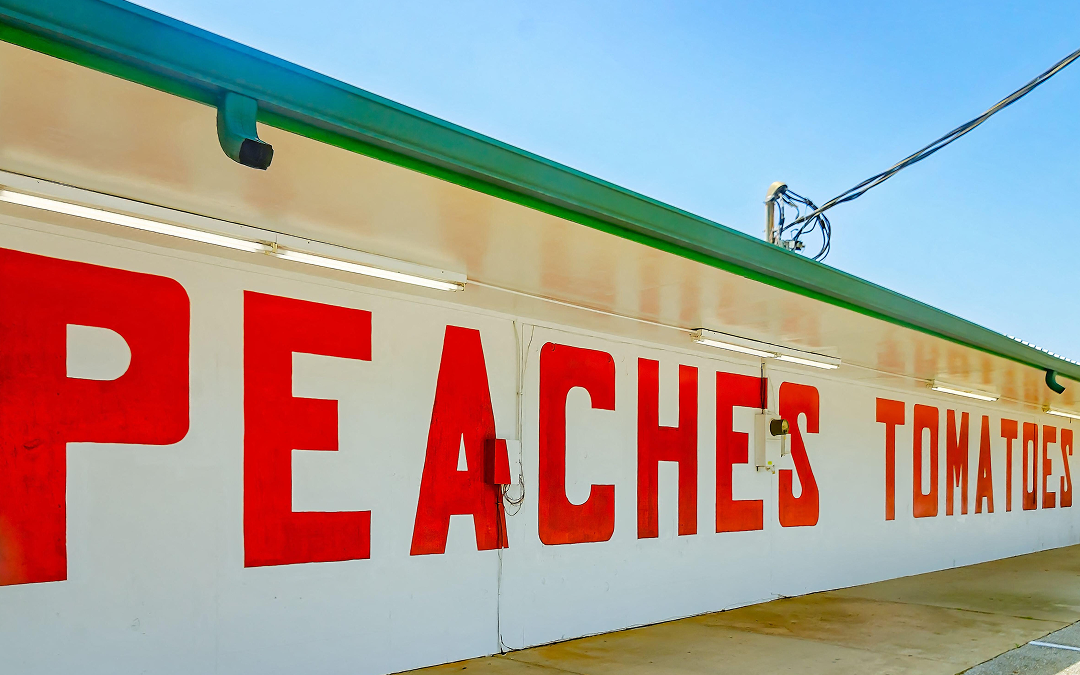
The Peach is a confidence trick. It presents itself as the softest, most delicate fruit in the orchard. Bruise it with a stern look and it will carry the mark for days. Yet beneath all that blush-colored, melting flesh is something woody, ridged, and entirely immovable: the stone that gives this family of fruit its name. Soft on the outside. Stone at the center. This contradiction is a rather good summary of the Peach’s entire 8,000-year journey. The Peach was also one of my first ideas of escape. When I was a little boy, my mother would read James and the Giant Peach to me in bed, and afterward I would dream of the orchard. Not as an orderly place of trees planted in rows, but as a secret world where a piece of fruit might become a doorway, or an entire universe. Roald Dahl understood its magic. Peaches were first domesticated in China roughly 7,500 to 8,000 years ago. We know this because Peach stones have been unearthed at Neolithic sites near the Yangtze River. This was before writing and, quite possibly, before the wheel. While humans were still working out the finer points of pottery, someone in the Yangtze Valley was already patiently transforming a small, sour wild fruit into something worth waiting for. And Peaches have always inspired waiting. In Chinese mythology, the Peach is not merely food but the fruit of immortality. The Queen Mother of the West kept an orchard where the Peaches ripened only once every three thousand years. To eat one was to be granted eternal life. This is particularly ironic because, in every practical sense, the Peach remains stubbornly perishable. |
|
Ripening is my favorite word. In my last book, I wrote that my ambition in life was to ripen like a Peach. I do not mind if my skin wrinkles or my flesh grows soft. I would rather rejoice in the thought that, with time, I might become sweeter and sweeter on the inside. Perhaps that is the Peach’s real promise: not immortality, but the chance to become more fully ourselves before the season ends. It is also why the Peach has become such a potent symbol of desire. Call Me by Your Name understood that a Peach is never entirely innocent. There, it becomes something private and carnal: the moment appetite turns into vulnerability, and desire becomes almost too ripe to contain. There is, of course, a punishment for rushing one. In the epic Chinese novel Journey to the West, the Monkey King sneaks into Heaven and devours the immortal Peaches before they are ready. The Jade Emperor attempts to execute him, but no weapon can do the job. Eventually, Buddha traps him beneath the Five Elements Mountain for five hundred years. |
|
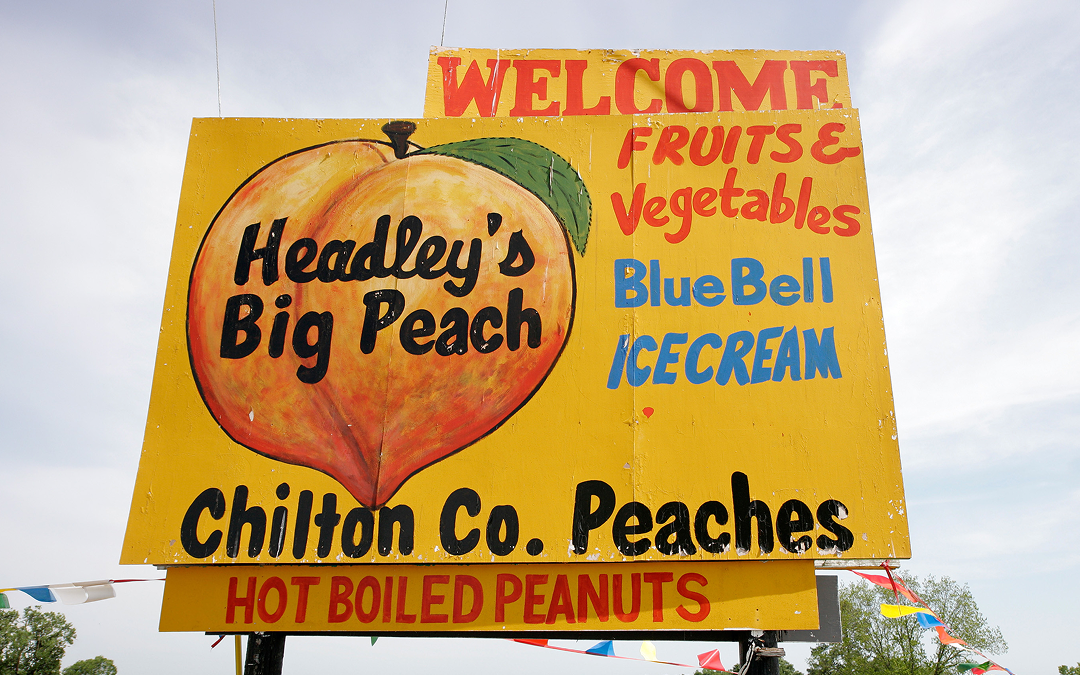
The Peach has always inspired this particular kind of impatience: something so desirable that one would rather steal it from the gods than wait for it to ripen. Its later history becomes slightly less reliable. Peaches traveled west along the Silk Road, passing through Persia before reaching Greece and Rome. Because the Greeks and Romans encountered them through Persian merchants, they assumed Persia was their place of origin. The Peach was eventually given the scientific name Prunus persica, meaning “Persian plum.”It is not a Persian plum. It has never been a Persian plum. The Peach is the Talented Mr. Ripley of the orchard: beautiful, cultivated, and carrying papers that never quite belonged to it. Chinese by birth, Persian on paper, and so persuasive that nobody has corrected the mistake for two thousand years. In the sixteenth century, Spanish missionaries brought Peaches to the Americas and planted them along the coasts of Georgia and Florida, where the trees quickly flourished. European colonists arrived expecting an unfamiliar New World and discovered a familiar fruit that had, in some sense, beaten them there. Once again, the Peach had created its own timeline. Then came the Georgia Peach. The state’s now-famous association with the fruit is actually a relatively modern branding story. After the Civil War, Peach cultivation was promoted as a way to diversify a Southern economy still heavily dependent on Cotton. The region needed a new crop, and the Peach arrived looking soft, pretty, and commercially useful. |
|
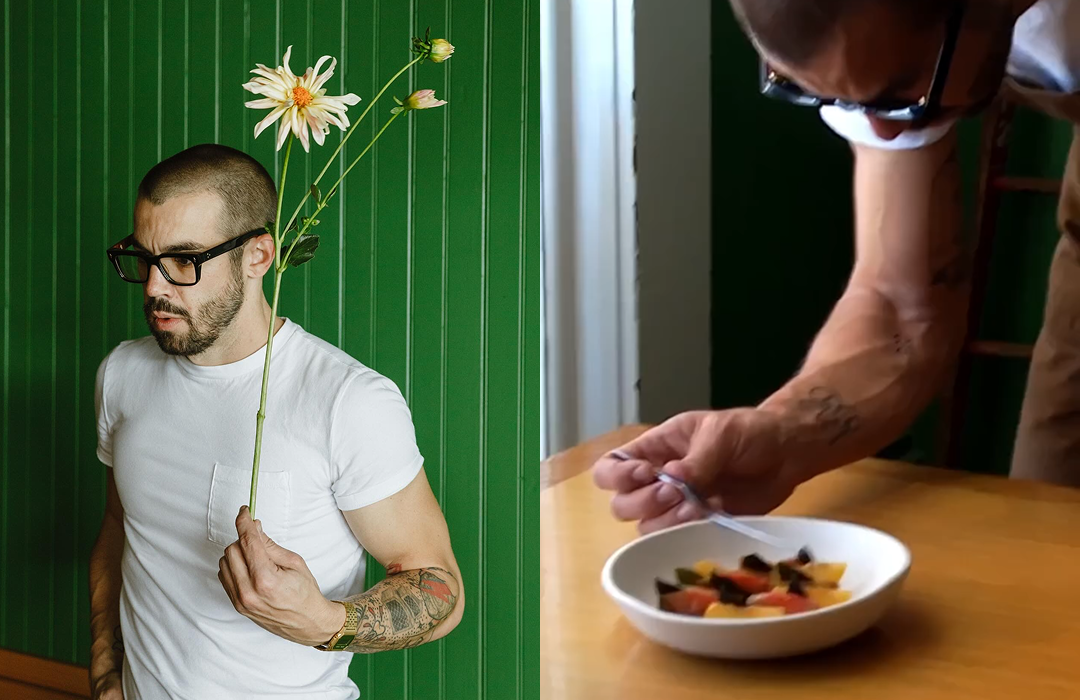
In 1870, a farmer in Marshallville named Samuel Rumph developed a new Peach variety and named it after his wife, Elberta. The Elberta traveled well, lasted longer than many other varieties, and helped turn Georgia into the Peach State. The rest is history, mythology, and very good marketing. Here at home, the Peach of immortality is finally ripe. This week in the Box we have Peaches and Pluots from Barron Family Farm. The Box has been curated by Chef Brad Mathews of Bar Le Côte, the seafood tavern he co-owns in Los Olivos. According to him, “there is no brighter star in the peak of summer like stone fruit and heirloom tomatoes.” He has shared his Heirloom Tomato with Pluot, Opal Basil and Yogurt recipe, featuring regionally delicious Finley Farms and other favorite local producers: Heirloom Tomatoes, Gold Pluots, Opal Basil, and much more. |
|
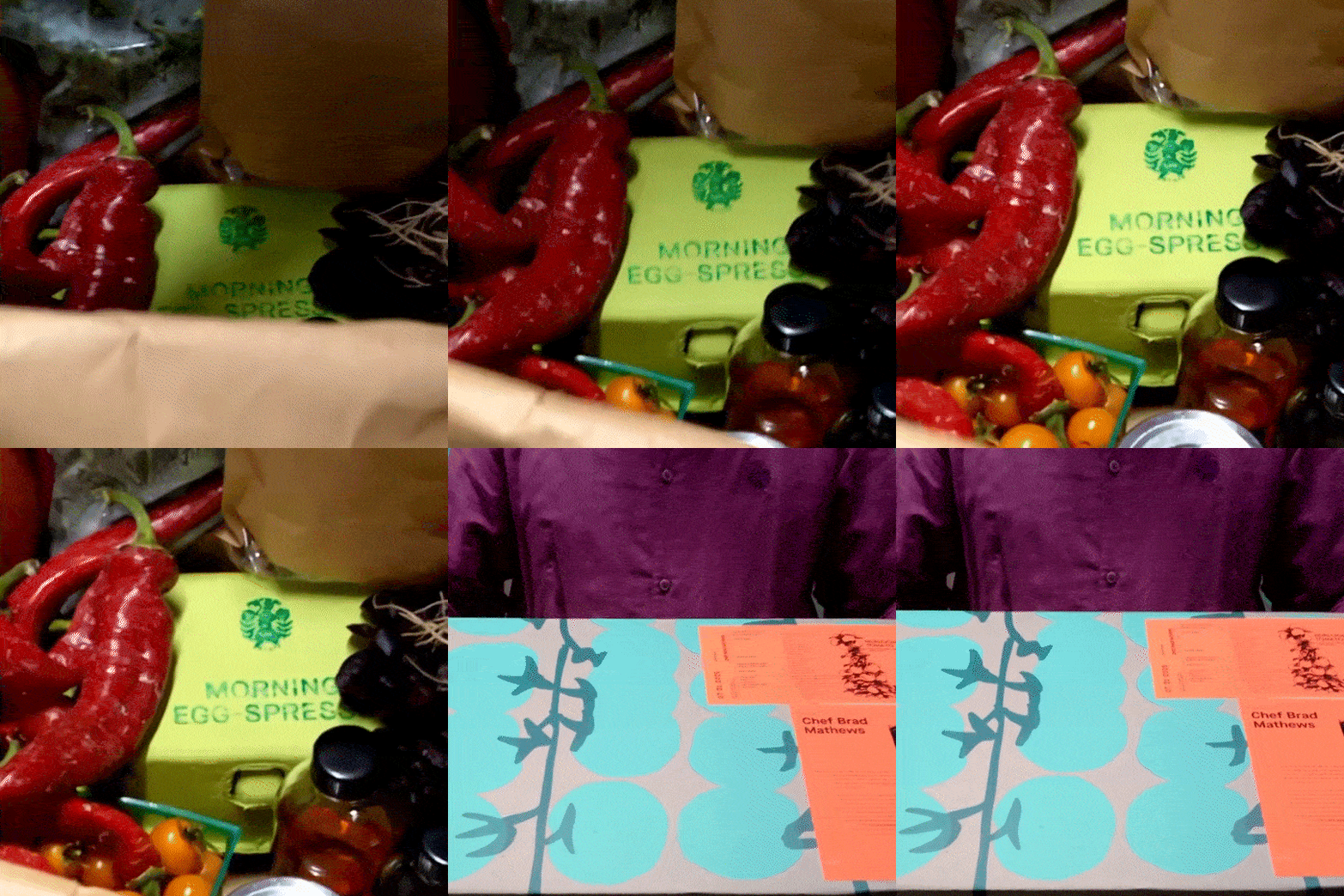
Also included in the Box, you will find Avara Melon and Jimmy Nardellos from Weiser Family Farms, Sungold Tomatoes, Shishito Peppers, Sweet Corn, and a Sesame Seed Sourdough Baguette. He shares his favorites for bringing the experience of Bar Le Côte into your own home, Made In Stainless Steel Measuring Cups, delicious tinned conservas from our friends at Siesta Co., and some of his seasoning essentials: Fish Sauce, Pure Rice Vinegar, Smoked Paprika, and Capers. He’s also included a Floral Arrangement for the Table grown by The Starter Farm, where he hand picks the flowers for the restaurant every week. For this Box, Brad went straight to the peak of Summer: Heirloom Tomatoes at their ripest, Pluots at their juiciest, Opal Basil at their deepest purple and pepperiest bite. It’s the same philosophy he uses to choose produce at Bar Le Côte, led by what’s in season, at its freshest, fleetingly thriving. |
|
Perhaps that is the key to the perfect Peach: pay attention, don’t rush it, bite into it with guts when the time is right. Maybe that is how we live forever. As always, cook a meal for someone you love. x Richard |
|
|
|
|