Why Your Contact Lenses Feel Awful in SummerIf your contact lenses suddenly feel uncomfortable, gritty, or itchy come June, you're not imagining it. Summer creates a perfect storm of challenges for lens wearers: elevated temperatures stress lens materials, sweat and dehydration accelerate protein buildup, chlorine and saltwater cause chemical damage, and pollen season reaches its peak just as you're most tempted to wear lenses outdoors. Most people assume their lenses are the problem. Actually, it's the sum of summer-specific stressors converging on both your lenses and your eye environment. Understanding why summer is uniquely challenging - and which situations demand switching to glasses - empowers you to enjoy the warmth while keeping your eyes comfortable. |
|
How Summer Heat Stresses Contact LensesLENS MATERIALS RESPOND TO TEMPERATUREContact lenses are made from hydrogel or silicone hydrogel polymers - materials that absorb and release water based on temperature. As temperature rises, hydrogel lenses absorb slightly more water initially, then lose water faster from the eye surface through increased evaporation. Between 25°C and 32°C, lens hydration stability decreases, affecting how lenses sit on your eye and how clearly they transmit light. Silicone hydrogel lenses (more oxygen-permeable) handle heat better than standard hydrogel, but both materials experience performance shifts in summer heat. PROTEIN BUILDUP ACCELERATESYour tear film contains proteins that gradually accumulate on lens surfaces - a natural process that worsens dramatically in heat. High temperatures combined with increased sweat, reduced blinking time, and tear-film instability cause protein deposits to build up 30-40% faster in summer than in cooler months. This accumulation causes: Progressive lens cloudiness and reduced clarity Increased friction and discomfort as the day progresses Higher risk of infection from bacteria colonising protein deposits Reduced oxygen permeability (proteins block oxygen transmission)
By mid-afternoon on a warm day, your lenses feel noticeably grittier than they did at breakfast. EXTENDED WEARING TIME COMPOUNDS STRESSSummer schedules often mean longer lens-wearing days. Holidays, social activities, and outdoor trips push lenses beyond their typical 12-14 hour daily limit. Extended lens wear (16+ hours) causes measurable corneal swelling and reduced oxygen availability - effects that are barely noticeable in cooler months but become pronounced in summer heat when tear evaporation is already high. |
|
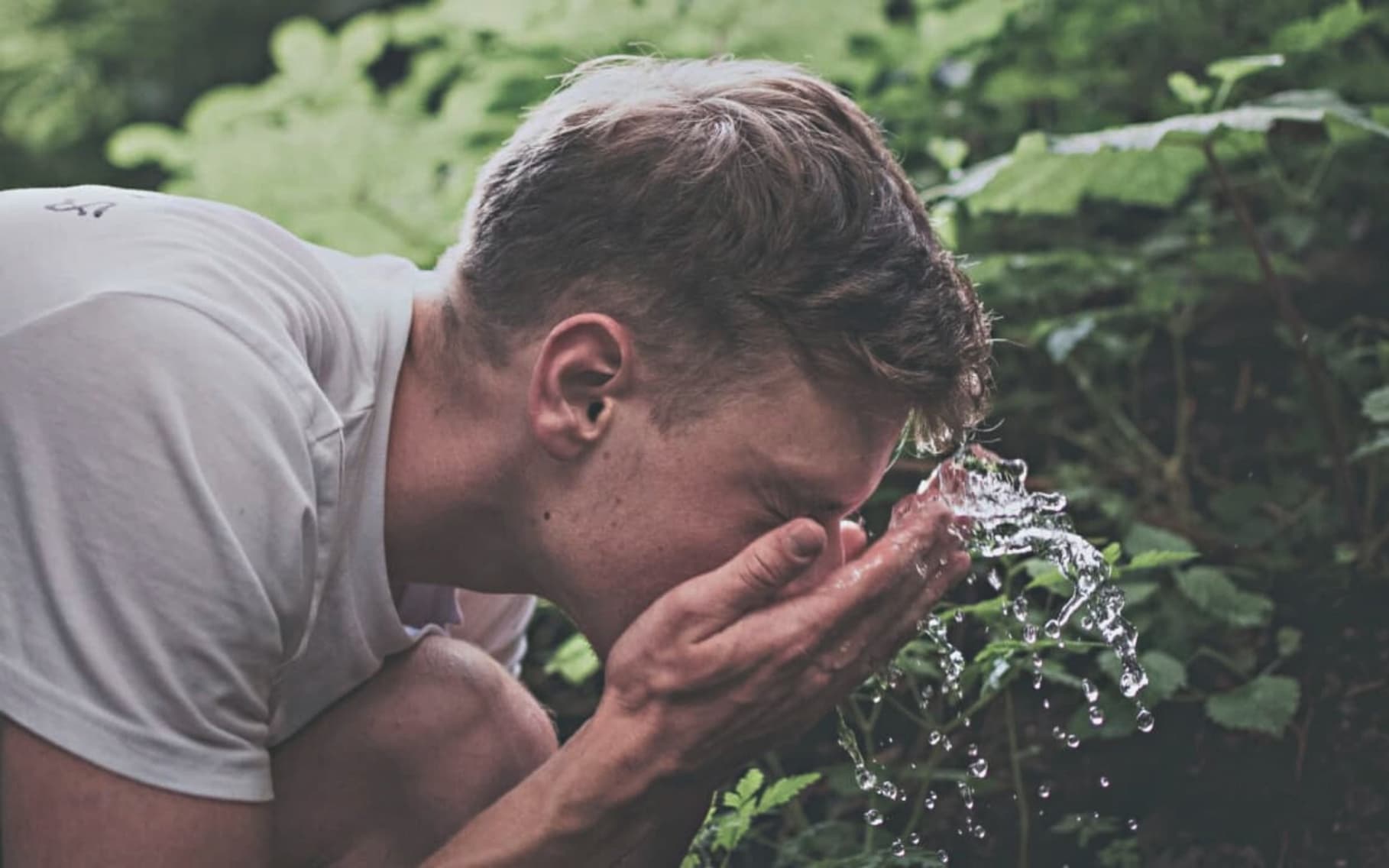
The Sweat & Dehydration Double ProblemSWEAT CHEMISTRY DISRUPTS TEAR FILMSweat is saltier than tears - approximately 0.9% sodium chloride in sweat versus 0.7% in tears. When sweat mixes with tears (which happens constantly when you're active outdoors), tear osmolality (salt concentration) increases, making tears hypertonic. Your eye surface loses water to maintain osmotic balance, causing localised drying around lens edges. This creates that characteristic summer discomfort: lenses that feel dry and irritated despite adequate tear production. DEHYDRATION REDUCES TEAR PRODUCTIONYour body prioritises hydration for vital organs. When dehydrated - common in summer heat - tear production drops before you consciously feel thirsty. Even mild dehydration (1-2% body water loss) reduces tear volume by 10-15%. For lens wearers, reduced tear volume means less lubrication between lens and cornea, increasing friction and discomfort. Add this to contact lenses' natural reduction of oxygen availability to the cornea, and dehydrated lens wearers experience measurably worse comfort by afternoon. THE VICIOUS CYCLESweat + heat → tear quality degradation → reduced tear volume → lens discomfort → eye rubbing → more lens irritation → increased risk of infection. This cascade often feels like your lenses have suddenly become uncomfortable "for no reason" - when actually, multiple summer-specific factors have converged. |
|
Expert Insight “Contact lenses rub against your cornea, creating microabrasions - opening ‘little doorways’ for bacteria to get in, increasing the risk of infection.”
Professor Dawn Sim
Ophthalmic Surgeon at Moorfields Eye Hospital Co-Founder at MTHK |
|
Chlorine and Water - The Lens KillersCHLORINE DAMAGE IS IRREVERSIBLEContact lenses should never come into contact with chlorinated water. Chlorine reacts with lens polymers, causing: Permanent discolouration and cloudiness Altered lens shape (affecting vision quality) Increased brittleness (lenses tear more easily) Chemical degradation of oxygen permeability
Even brief submersion - splashing at a pool, showering with lenses in - can cause measurable damage. Unlike protein deposits that can be cleaned, chlorine damage is chemical and permanent. SALTWATER COMPOUNDS THE PROBLEMSaltwater (seawater or pool salt) causes osmotic stress on lens materials. High salt concentration draws water out of hydrogel lenses, making them: Even after rinsing, saltwater residue can remain on lens surfaces, creating ongoing irritation. THE MICROORGANISM RISKChlorinated and saltwater environments contain bacteria, viruses, and parasitic organisms - including Acanthamoeba, a single-celled organism that causes serious corneal infections. Contact lens wearers are at dramatically higher risk for water-related infections. Chlorine actually kills some microorganisms but doesn't eliminate all threats, and many organisms survive standard lens-solution rinsing. |
|
When to Switch to Glasses This SummerGlasses are genuinely superior in certain summer situations: Swimming or water activities - Switch to glasses or goggles. No exceptions. Chlorine and saltwater damage lenses irreversibly. Extended outdoor time (6+ hours) - Heat, sweat, and pollen accumulation make glasses more comfortable. Your lenses will accumulate protein and feel progressively grittier; glasses maintain consistent clarity. Intensely hot days (30°C+) - Lens comfort drops measurably. Glasses eliminate the oxygen-permeability issue and lens-drying problems. High-pollen days - Pollen particles get trapped under lenses. Glasses are objectively better for allergic comfort. Very active days (sport, hiking) - Sweat is inevitable. Glasses stay clear; lenses accumulate sweat salts and protein rapidly. |
|
Summer Contact Lens Care ProtocolHYDRATE AGGRESSIVELYDrink more water than you think you need. Increase with activity level and heat exposure. Proper hydration directly supports tear production, which is your lenses' best defence against summer discomfort. USE DROPS STRATEGICALLYPreservative-free lens rewetting drops every 2-3 hours during active summer days maintain lens hydration and flush accumulated salts and proteins. Apply drops before they're desperately needed - prevention works better than crisis management. CLEAN LENSES DAILY WITHOUT COMPROMISESummer's increased protein and salt accumulation means daily enzymatic cleaning becomes more important, not less. Don't skip lens case cleaning. Replace your lens case more frequently in summer. Stored lenses in dirty cases invite microbial infection. EXTEND WEARING TIME CAREFULLYResist the temptation to wear lenses through the entire day. If extended wear is necessary (travel, events), use drops more frequently and plan a glasses day afterwards to let your eyes recover. AVOID WATER ENTIRELYNo showers with lenses in. No splashing at pools "just for a moment." No opening eyes underwater. Even accidental water contact is damaging. Keep goggles handy for water activities, or simply remove lenses beforehand. |
|
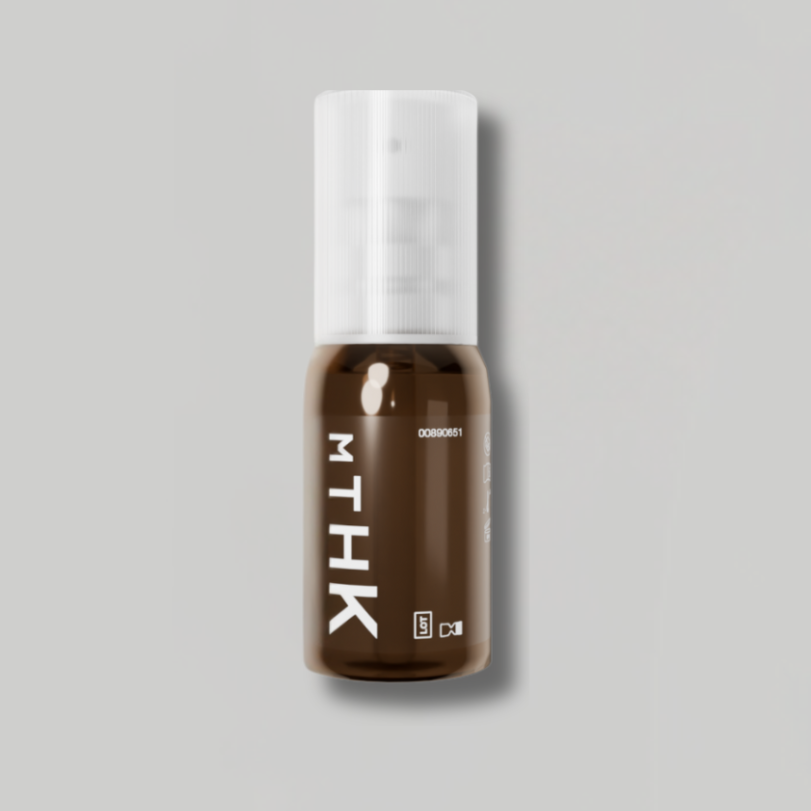
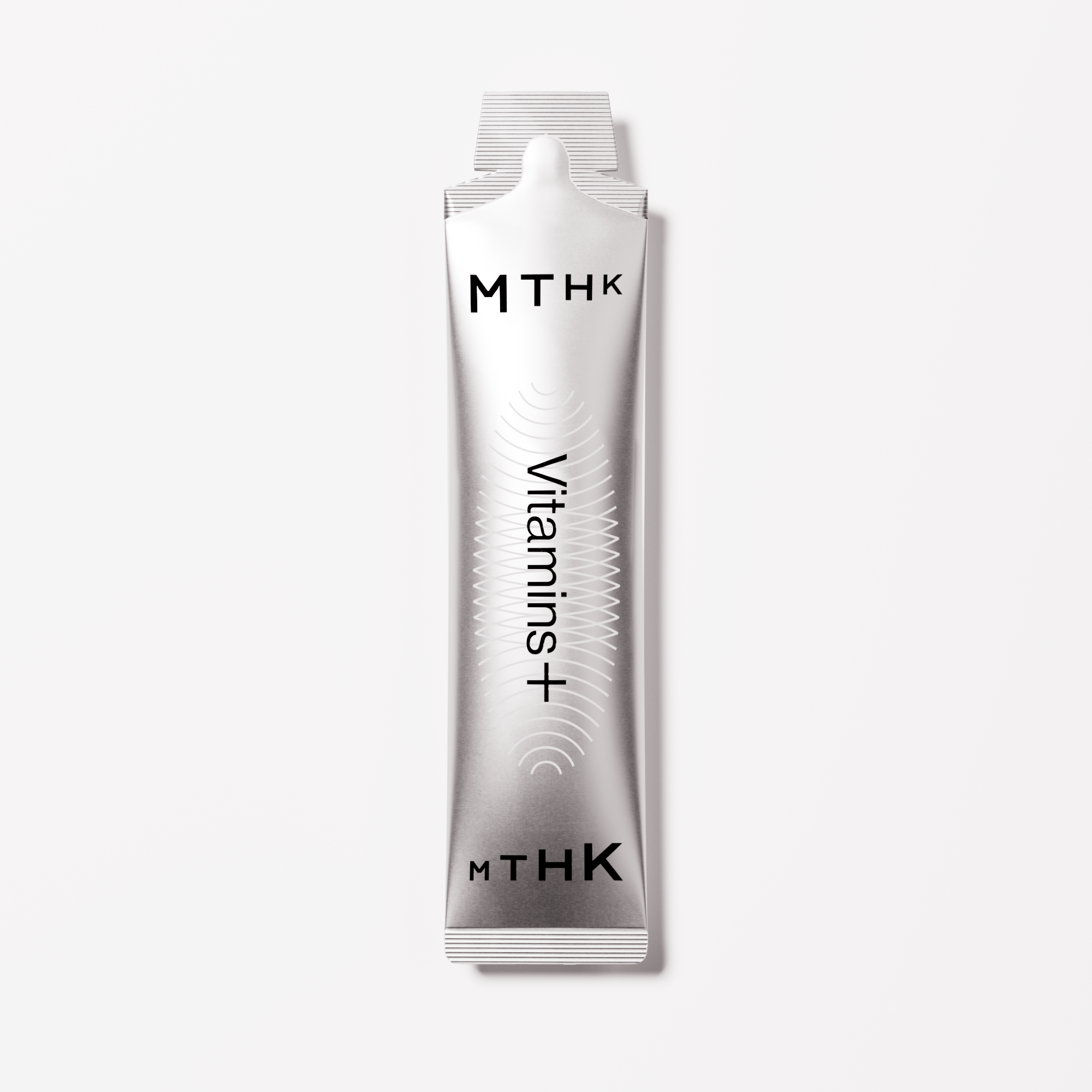
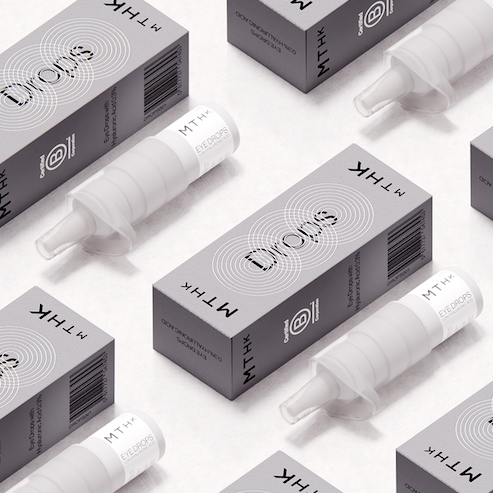
Product Support for Summer Lens WearersPRESERVATIVE-FREE DROPSMTHK Eye Drops work effectively with contact lenses - maintaining hydration throughout active days without preservatives that accumulate on lens surfaces. Use 2-3 times daily during summer, more on particularly warm or active days. HYDRATING EYE SPRAYMTHK Eye Spray stabilises your tear film's protective layers, particularly valuable when sweat is increasing tear osmolality. Apply over closed lids (no lens removal needed) every 2-3 hours during outdoor activity. NUTRITIONAL SUPPORTEssential Eye Vitamins support tear gland function and reduce allergic sensitivity - both critical for summer lens comfort. Daily antioxidant support helps your eyes defend against cumulative summer stress (heat, UV, pollen, lens friction). |
|
|
|
|