Homeowners have long been protective of the neighborhoods where they relax, hang out with friends and watch the kids grow up. So the prospect of having that neighborhood change has given rise to the "not in my back yard" movement, also known as NIMBYism.
Common NIMBY targets include factories, prisons, homeless shelters and apartment buildings, which can hurt property values, increase traffic congestion and alter the aesthetic of the neighborhood.
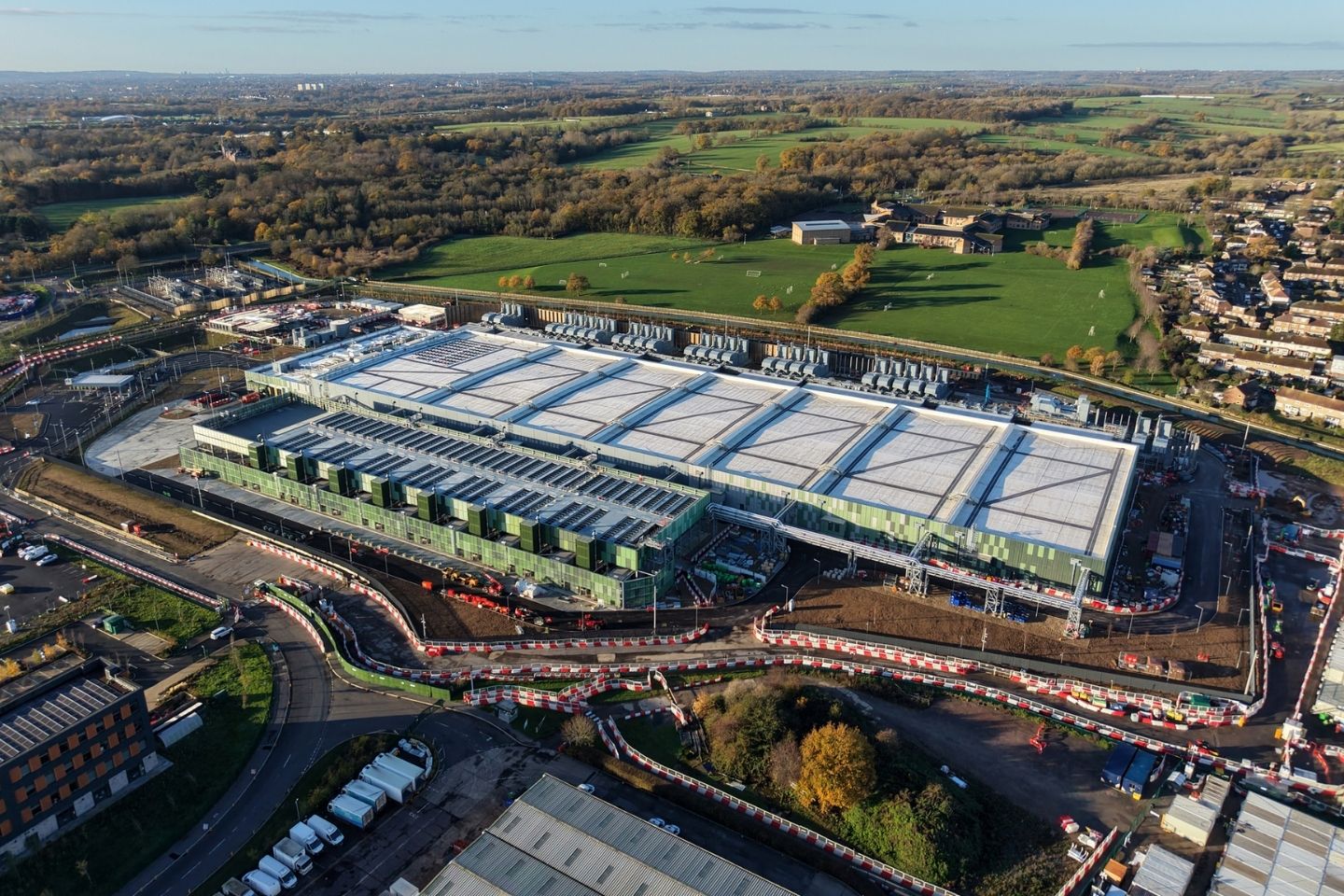
Now resistance to change is taking on a new goal: banning data centers.
A recent Redfin survey found that more than half of U.S. residents surveyed (53%) don't want a data center built in their area, whereas roughly a third (34%) are in favor.
In comparison, 48% oppose turning single-family homes into multi-unit dwellings, 39% oppose building new apartment complexes and 32% oppose mixed-use construction. All these, by the way, are considered potential solutions to the lack of inventory and affordability issues faced by some communities.
Data centers are a big thing right now because of the meteoric rise of artificial intelligence, or AI. It turns out that automating thought processes consumes a lot of power and requires lots of equipment. Data centers also consume a lot of resources. And there’s the rub, to quote Shakespeare.
Many people oppose data centers because they can strain local resources like water and electricity. They fear the increased costs incurred by data centers will be passed on to local homeowners, straining budgets that may already be stretched thin — a valid concern, for sure.
There are also health concerns about air pollution from data centers' reliance on fossil-fuel power and diesel generators, as well as noise and light pollution from these 24/7 hubs. And of course, many homeowners worry about the effect of data centers on property values.
But as with everything in life, there's a potential upside for every downside. In this case, the Redfin survey highlights two counties in Virginia — Loudoun and Prince William — that have large concentrations of data centers. According to Redfin, the taxes generated by these centers help fund local schools and allow county governments to ease the tax burden on homeowners.
That potential tax benefit, however, isn't guaranteed for every location. Santa Clara, California, also has a large number of data centers, but they don’t generate a significant amount of revenue for the city, according to Redfin's data.
For now, the debate over whether or not building server hubs is good or bad is likely to continue, especially since it's an election year. Several states are considering moratoriums on the construction of new data centers (New York has already implemented one), while others are considering regulations that would protect residents from footing the electric bill for these hubs.
The good news is that at least the debate is out in the open now, not in darkly lit back rooms, and that consumer opinion is being taken into account.