͏ ͏ ͏ ͏ ͏ ͏ ͏ ͏ ͏ ͏ ͏ ͏ ͏ ͏ ͏ ͏ ͏ ͏ ͏ ͏ ͏ ͏ ͏ ͏ ͏ ͏ ͏ ͏ ͏ ͏ ͏ ͏ ͏ ͏ ͏ ͏ ͏ ͏ ͏ ͏ ͏ ͏ ͏ ͏ ͏ ͏ ͏ ͏ ͏ ͏ ͏ ͏ ͏ ͏ ͏ ͏ ͏ ͏ ͏ ͏ ͏ ͏ ͏ ͏ ͏ ͏ ͏ ͏ ͏ ͏ ͏ ͏ ͏ ͏ ͏ ͏ ͏ ͏ ͏ ͏ ͏ ͏ ͏ ͏ ͏ ͏ ͏ ͏ ͏ ͏ ͏ ͏ ͏ ͏ ͏ ͏ ͏ ͏ ͏ ͏ ͏ ͏ ͏ ͏ ͏ ͏ ͏ ͏ ͏ ͏ ͏ ͏ ͏ ͏ |
| |
Hi, Money readers!
A new bill in Congress could change the way Social Security adjusts benefits for inflation each year. But the proposal faces an uphill battle to become law, and even if it passes, a Money analysis finds that the improvements might be minimal.
Let's get to it. — Andrea Agostini Ferrer
Were you forwarded this email? Subscribe to get Daily Money delivered to your inbox for free. |
|
|
The Social Security 2100 Act aims, in part, to change how the Social Security Administration calculates its cost-of-living adjustments, or COLAs. Right now, the SSA uses inflation data based on a metric tracking inflation for workers in urban areas to calculate how much to increase (or leave steady) payments to beneficiaries. The issue? Most Social Security recipients are retirees and disabled Americans, so advocates say this inflation metric — known as the CPI-W — does not accurately reflect their expenses.
The legislation would have the SSA add another metric to the mix: the CPI-E, an existing inflation measure that tracks expenses for Americans aged 62 and older, and puts more weight on housing, healthcare and recreation expenses. The bill would require the Department of Labor to publish this index alongside its official monthly inflation measures so that the SSA can factor it into its calculations.
A Money analysis of inflation data finds that the CPI-E and CPI-W have differed by no more than about half a percentage point in recent months, suggesting the change would lead to modest changes in most years.
The Democrat-backed proposal also includes broader Social Security reforms aimed at increasing benefits, but it faces long odds in a Republican-controlled Congress that's focused on solving the program's financial woes, not the scope of its benefits. — AAF |
|
|
Faster access to cash when you need it: Borrow up to $500 or a simple flat fee Customers can qualify for Cash App Green by spending $500 in qualifying purchases using your Cash App Card or Cash App Pay per month, or by depositing $300 of qualifying deposits per month. Eligibility restrictions apply to some benefits. See Terms and Conditions for more information. Unlock Borrow limits of up to $400 for first-time borrowers, and can get limit increases of up to $300. Borrow eligibility and limits depend on several factors and are not guaranteed. There are multiple ways to increase your Borrow limit; see here for more details. Borrow limit increase for spending may be lower than limit increase for depositing. Limit increases are subject to change. Borrow is not available in Colorado or Iowa. Borrow loans serviced by Square Financial Services, Inc. issued by First Electronic Bank or Square Financial Services, Inc. $500 limit can include Cash App Green limit increase. As of October 1, 2025, the average limit for first time borrowers who are spend actives is $153. Start saving with Cash App. |
Cash App is a financial services platform, not a bank. Banking services provided by Cash App’s bank partner(s). Prepaid debit cards issued by Sutton Bank, Member FDIC. See Terms & Conditions. Eligibility restrictions apply to some benefits. See Terms and Conditions for more information. The information provided is for educational purposes only and is not intended as financial or investment advice. |
|
|
Young Adults Are Trying to Buy Better Sleep |
Young Americans are dreaming of a good night’s rest — and they’re willing to pay for it.
Gen Z is increasingly shelling out for sleep tech, fancy bedding and natural sleep aids, USA Today reports. The trend reflects Gen Z’s love of sleep — a 2024 survey found they catch more z's than other generations — as well as a broader cultural interest in sleep optimization.
Truemed, an online marketplace for shopping with health savings accounts and flexible spending accounts, analyzed 1 million recent orders and found that Gen Z spent more on sleep-related purchases than any other category, with the exception of supplements. These products range from relatively cheap ($24 for blue-light blocking goggles) to pretty darn pricey (a $3,000 bed cover that tracks your body temperature and then cools or heats as needed).
There are some places where a new purchase could improve your sleep quality, like replacing your mattress or pillows with a more comfortable model. But, unfortunately, as the American Academy of Sleep Medicine's David Kuhlmann told USA Today, there are a lot of products in this space where the science doesn’t support spending (at least, so far).
Alas, deep sleep is yet another thing that money can’t buy. — Kaitlin Mulhere |
|
|
In the newsroom, our editors are talking about... |
|
|
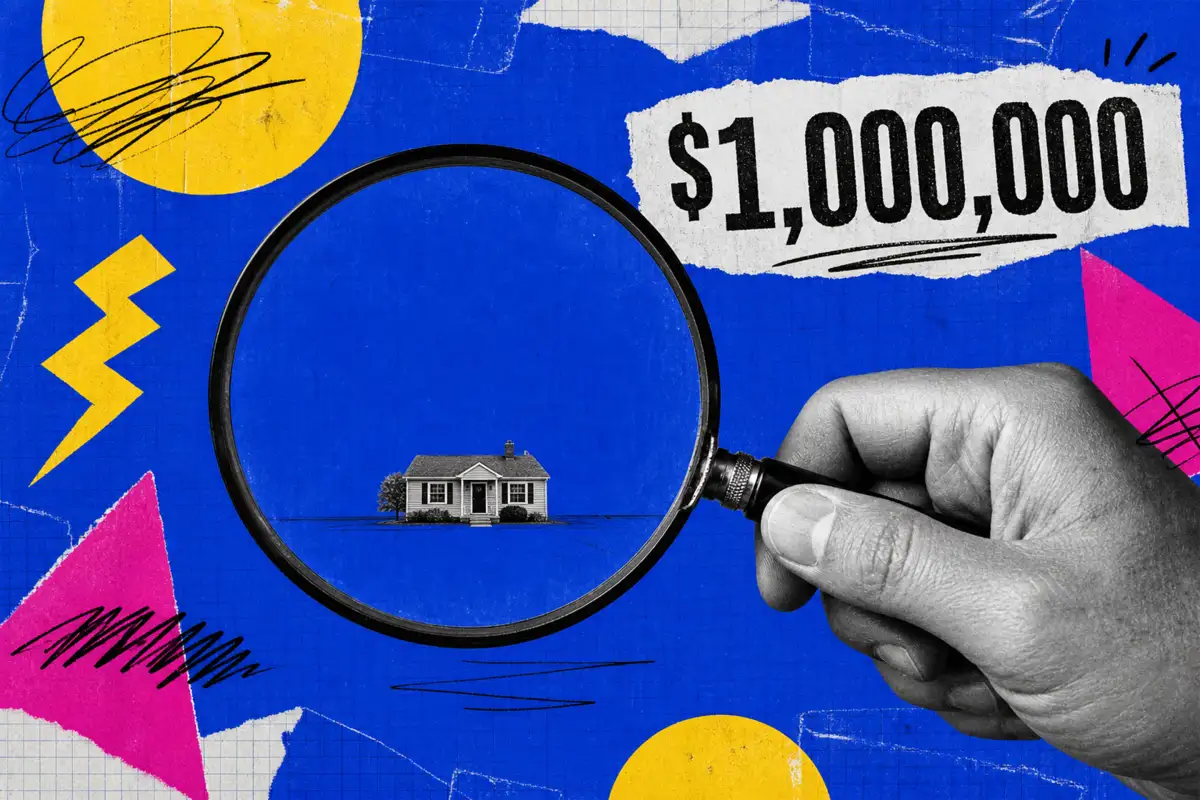
Zillow found that 242 cities have starter homes priced at least $1 million — a record high and nearly triple the number before the pandemic housing boom. |
| |
|
This issue of Daily Money was written by lead staff writer Andrea Agostini Ferrer and editor Kaitlin Mulhere. It was edited by managing editor Julia Glum. Questions? Comments? Concerns? Please email [email protected] with any feedback. |
|
|
| | This newsletter is free because Money earns a commission when you click or make purchases from the links in this email and on our site. We also receive compensation for some of the products and services featured in this message. Offers may be subject to change without notice. Learn more about how we make money. Privacy Policy • Advertise With Us • We're Hiring!To stop receiving these emails, unsubscribe or manage your email preferences. Copyright ©2026 Money Group, LLC. All rights reserved. Metro Office Park Calle 1, Building 7 Suite 204, Guaynabo, Puerto Rico 00968, USA | | |
|
|
|