͏ ͏ ͏ ͏ ͏ ͏ ͏ ͏ ͏ ͏ ͏ ͏ ͏ ͏ ͏ ͏ ͏ ͏ ͏ ͏ ͏ ͏ ͏ ͏ ͏ ͏ ͏ ͏ ͏ ͏ ͏ ͏ ͏ ͏ ͏ ͏ ͏ ͏ ͏ ͏ ͏ ͏ ͏ ͏ ͏ ͏ ͏ ͏ ͏ ͏ ͏ ͏ ͏ ͏ ͏ ͏ ͏ ͏ ͏ ͏ ͏ ͏ ͏ ͏ ͏ ͏ ͏ ͏ ͏ ͏ ͏ ͏ ͏ ͏ ͏ ͏ ͏ ͏ ͏ ͏ ͏ ͏ ͏ ͏ ͏ ͏ ͏ ͏ ͏ ͏ ͏ ͏ ͏ ͏ ͏ ͏ ͏ ͏ ͏ ͏ ͏ ͏ ͏ ͏ ͏ ͏ ͏ ͏ ͏ ͏ ͏ ͏ ͏ ͏ |
| |
Hi, Money readers — Let's build a ranking of life's most unwanted experiences. Root canal: top five, easily. A haircut so bad you start wearing hats indoors: absolutely up there. And somewhere in that miserable neighborhood: the pay cut.
I vividly remember the moment I told my family I was switching careers from lawyer to full-time writer (my dream job), which meant making substantially less money. "Ay bendito, ¿y eso?" is how I would summarize their less-than-enthusiastic response.
But a smaller paycheck isn't always a step backward. Sometimes it's the price of admission to a new industry or simply the difference between "unemployed for eight months" and "employed and negotiating again next year." The trick is knowing when the trade-off is strategic... and when you're just talking yourself into something you'll soon regret.
Read more below. — José Omar Rodríguez Were you forwarded this email? Subscribe to get Daily Money delivered to your inbox for free. |
|
|
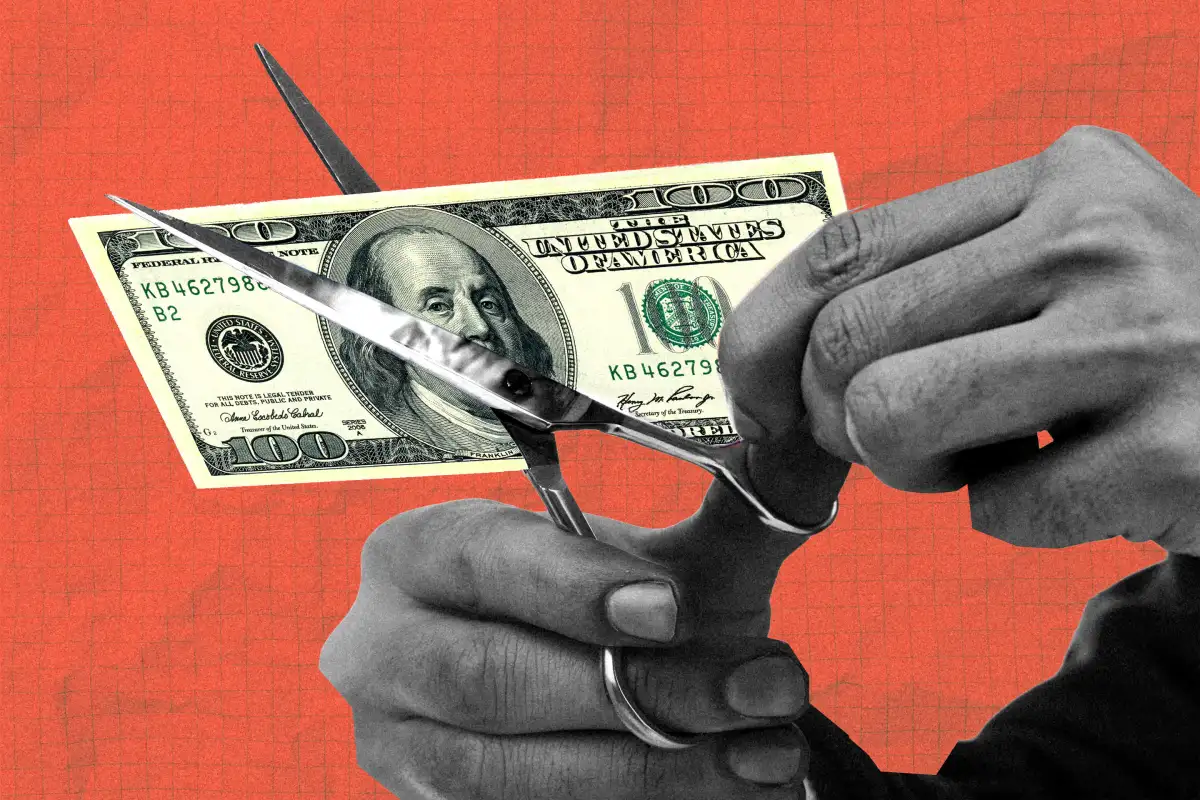
LeBron James just signed a two-year, $8 million deal with the Philadelphia 76ers, a cut so steep it's being called the biggest in NBA history. His pay for season 24? About $3.8 million, less than he made as a rookie in 2003-04. That raises the question for the rest of us mortals: When does accepting less money actually make sense?
Sometimes, it genuinely does. Glassdoor chief economist Daniel Zhao notes a cut "can make sense if it results in longer-term gains," like breaking into a new industry where you're essentially paying tuition in foregone salary. The same logic applies to fleeing a toxic workplace or a dead-end role; the mental-health dividend is real, even if it never shows up on a pay stub. And if you've been job hunting for months, financial planner Marc Butler suggests taking a $120,000 offer over holding out for your old $150,000, then negotiating up from inside.
Before you sign, though, do your homework. Calculate your financial floor, weigh total compensation — that means benefits, equity, insurance — and verify any promises. Zhao warns workers often feel "bait-and-switched" when perks never materialize. — JOR |
|
|
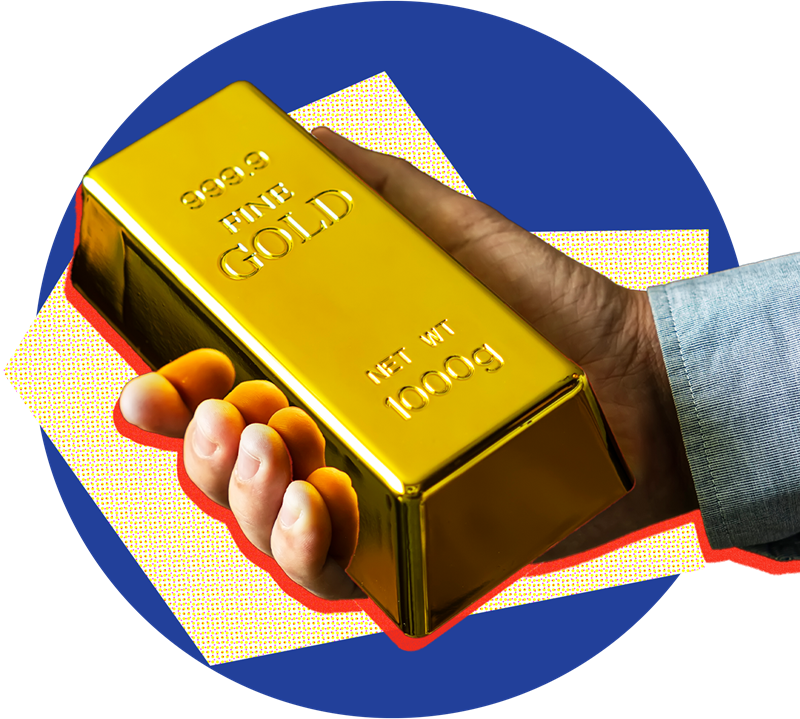
Left a 401(k) behind at a former employer? If you have retirement savings sitting in a 401(k) account with a former employer, you have options. Goldco helps individuals learn how to roll over eligible retirement funds into a self-directed gold IRA, providing exposure to physical precious metals within a tax-advantaged account. Before making any decisions, it's important to understand how gold IRAs work, as well as the potential benefits and risks. Get your free 2026 Gold & Silver Kit |
|
|
Pennies Got the Boot. Are Paper Checks Next? |
Phasing out paper checks might seem like a no-brainer. Very few people write them for their day-to-day expenses, and the federal government has begun winding them down.
But a closer look at how people pay today tells a different story. Though checks have definitely gone down in the pecking order of Americans' preferred payment methods, they still have legit use cases.
The most recent Federal Reserve Payments Study, released earlier this month, found the number of paper checks written has declined significantly, but many people still use them for big expenses. In 2000, Americans wrote about 43 billion checks and each check averaged about $1,000. By 2024, the number of written checks had fallen to 9 billion. Yet the average dollar amount of each check increased to $2,600.
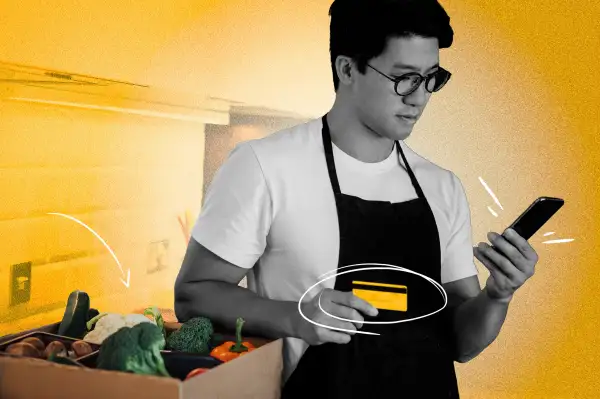
Small businesses tend to like paper checks because they can skip credit card processing fees. Plus, the check's required signatures leave a clear paper trail on how much they've spent and who paid who — a crucial part of bookkeeping.
The Conversation points out you also might be issuing checks without knowing it (but don't worry, it's not fraud). If you pay your internet or phone bills online and the bank can't make the payment digitally, they'll send a check on your behalf, and you're none the wiser.
So while cutting a check for dinner might get you laughed out of your fave restaurant, this humble payment method is not on the chopping block yet. — Andrea Agostini Ferrer |
|
|
In the newsroom, our editors are talking about... |
|
|
Consumer advocates warn that retailers armed with algorithmic technology and insights into your individual shopping behaviors could make price tags meaningless. |
| |
|
This issue of Daily Money was written by content manager José Omar Rodríguez and lead staff writer Andrea Agostini Ferrer. It was edited by managing editor Julia Glum. Questions? Comments? Concerns? Please email [email protected] with any feedback. |
|
|
| | This newsletter is free because Money earns a commission when you click or make purchases from the links in this email and on our site. We also receive compensation for some of the products and services featured in this message. Offers may be subject to change without notice. Learn more about how we make money. Privacy Policy • Advertise With Us • We're Hiring!To stop receiving these emails, unsubscribe or manage your email preferences. Copyright ©2026 Money Group, LLC. All rights reserved. Metro Office Park Calle 1, Building 7 Suite 204, Guaynabo, Puerto Rico 00968, USA | | |
|
|
|